research
-
The climate responsibilities of industrial meat and dairy producers
Our view of responsibility for climate change has expanded to include the actions of firms, particularly fossil fuel producers. Yet analysis of animal agriculture’s role in climate change— estimated as 14.5% of anthropogenic greenhouse gas emissions—has mainly focused on the sector as a whole. Here we examine the world’s 35 largest meat and dairy companies…
-
The past and future for fish and fishing with Becca Franks
Fish aficionado Becca Franks and I have been collaborating for several years. In November, 2019, we gave a lecture in the Law, Ethics & Animals Program (LEAP) at Yale University titled Fish, Fisheries, and Ending Factory Fishing and Farming. With that lecture fresh in our mind, we did an interview in early 2020 with artist and…
-
The case against octopus farming
Becca Franks, Peter Godfrey-Smith, Walter Sanchez-Suarez, and I argue against commercially farming octopus in Issues in Science and Technology. Image credit: ZZYW Studio.
-
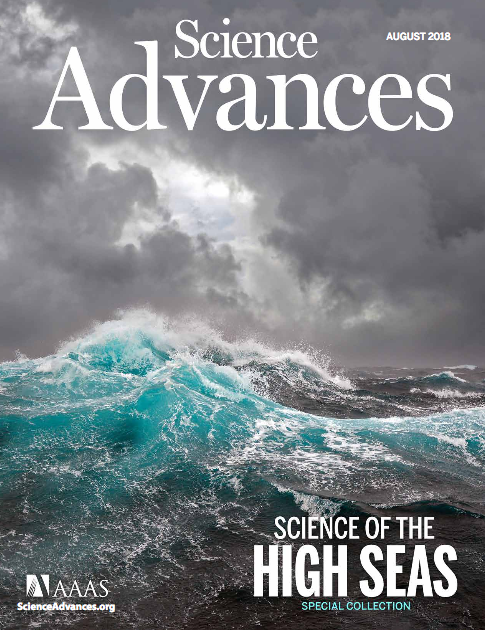
High stakes on the high seas
In advance of the 1st Session of the Intergovernmental Conference (IGC) on an International Legally Binding Instrument under the United Nations Convention on the Law of the Sea (UNCLOS) on the Conservation and Sustainable Use of Marine Biological Diversity of Areas Beyond National Jurisdiction (BBNJ) in September 2018, Jeremy Jackson and I co-organized a special…
-
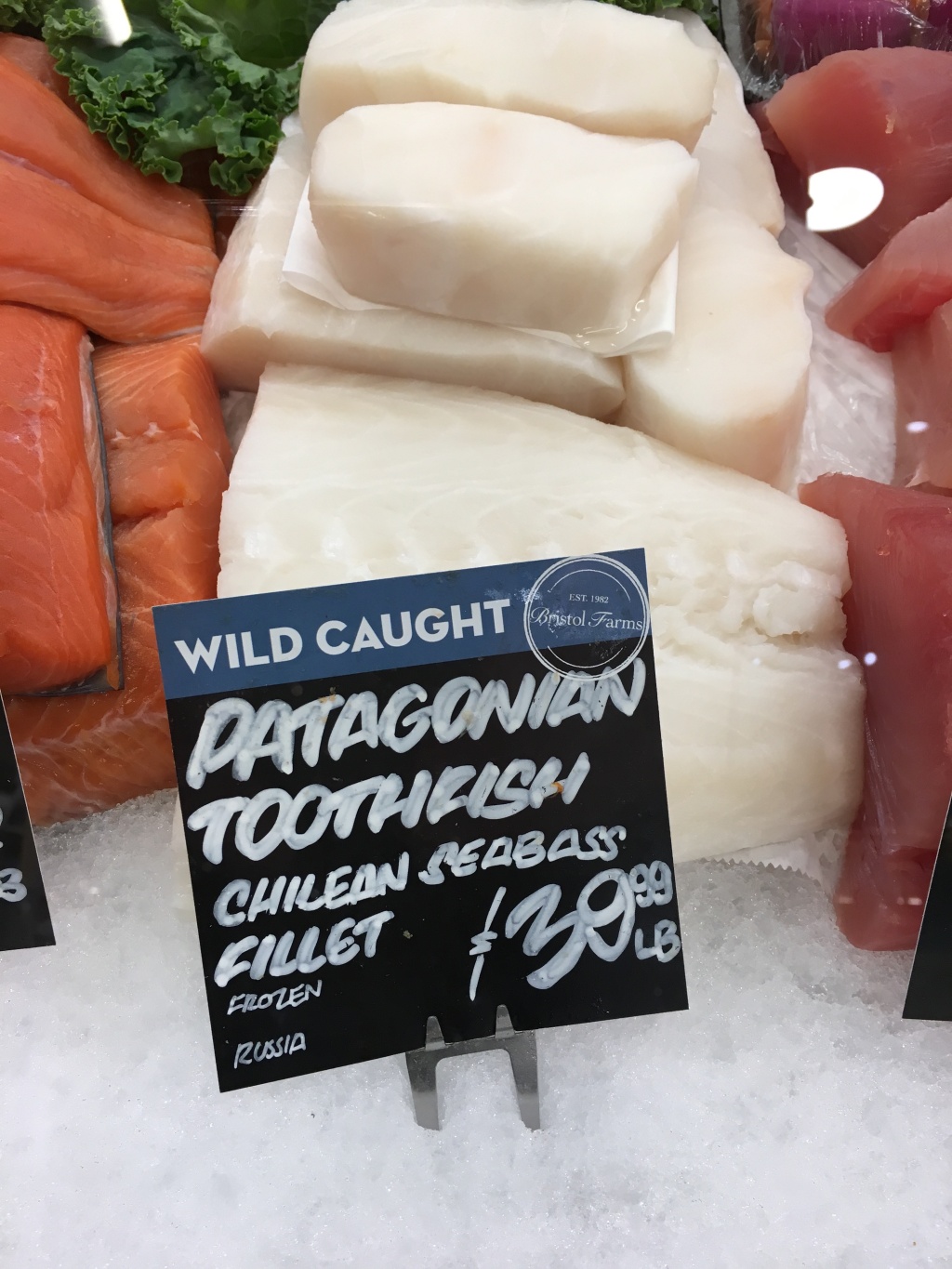
High seas fisheries play a negligible role in addressing global food security
Authors: Laurenne Schiller, Megan Bailey, Jennifer Jacquet, and Enric Sala Abstract Recent international negotiations have highlighted the need to protect marine diversity on the high seas—the ocean area beyond national jurisdiction. However, restricting fishing access on the high seas raises many concerns, including how such restrictions would affect food security. We analyze high seas catches…
-
Watch over Antarctic waters
Commentary led by Cassandra Brooks, and also David Ainley, Peter Abrams, Paul Dayton, Robert Hofman, and Donald Siniff at Nature. In a rapidly changing climate, fisheries in the Southern Ocean must be managed cautiously… Read it here.
-
Defining denial and sentient seafood — a response to Sneddon et al.
Sneddon et al. address the scientists who reject the empirical evidence on fish sentience, calling them “sceptics” and their work “denial”. This is the first article to frame the question of fish sentience in these terms, and it provides an obvious opening for social science and humanities research in the science of fish sentience. It…
-
Doom and gloom versus optimism: An assessment of ocean-related U.S. science journalism (2001-2015)
Article with Lisa Johns at Global Environmental Change. While doom and gloom language was identified in 10% of all articles, optimistic language was present in 27%. Read the full article here.
-
Guilt and shame in U.S. climate change communication
Article at Oxford Research Encyclopedia. Guilt has tended to align with the individualization of responsibility for climate change… Shame has been used…as a primary tactic against fossil fuel producers, peddlers of climate denial, and industry-backed politicians. Read it here.
-
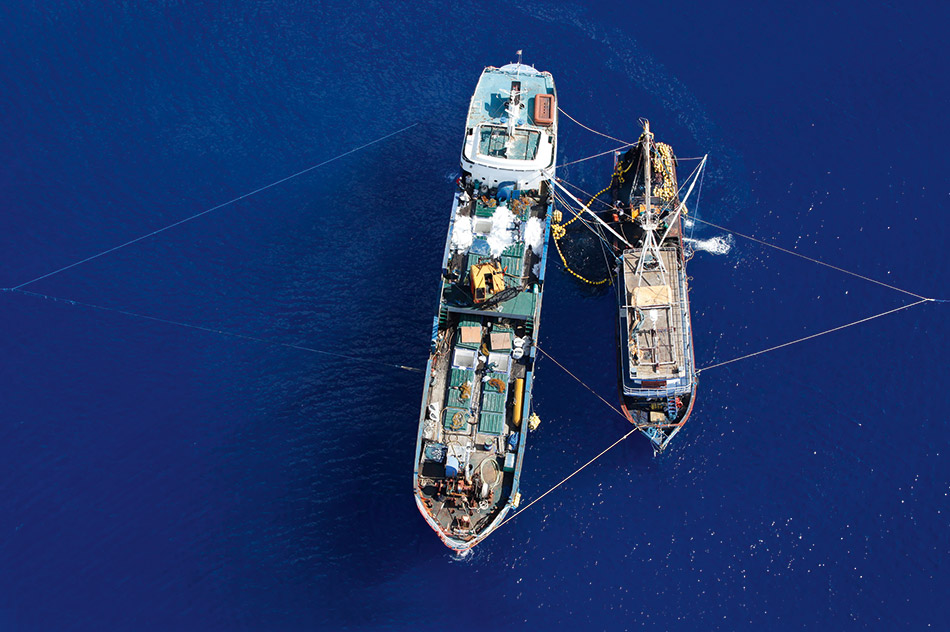
Potential ecological and social benefits of a moratorium on transshipment on the high seas
One way that illegal, unreported, and unregulated (IUU) fish catch is laundered into the seafood market is through transshipments at-sea. This practice, which often occurs on the high seas (the areas of ocean beyond national jurisdiction), allows vessels fishing illegally to evade most monitoring and enforcement measures, offload their cargo, and resume fishing without returning…
-
Why oysters, mussels and clams could hold the key to more ethical fish farming
To go with this scholarly co-authored article explaining why Bivalves Are Better, a popular piece at The Guardian about why bivalve farming is the future of ethical aquaculture.
-
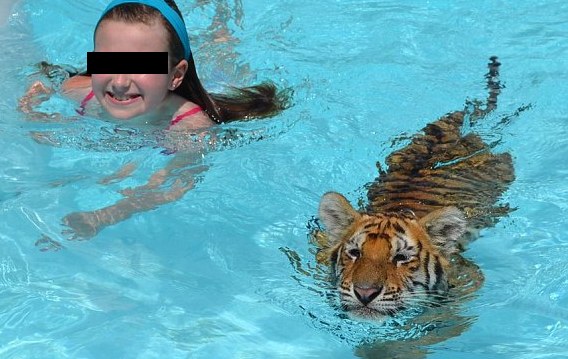
Put an end to roadside zoos
Contrary to how it might feel, fondling dangerous animals only accentuates the divide between us and them. Haven’t we done enough to force that divide already? Read more at The Guardian.
-
The values behind calculating the value of trophy hunting
Response to Naidoo et al.’s article on “Complementary benefits of tourism and hunting to communal conservancies in Namibia” in Conservation Biology. Conservation decisions are not and should not be driven by economic benefits alone. Read it here.
-
Wildlife Crime Tech Challenge Prize Winner
Jennifer Jacquet and Sunandan Chakraborty were selected as one of 16 Prize Winning teams in the Wildlife Crime Tech Challenge, a USAID initiative that is being implemented in partnership with the National Geographic Society, the Smithsonian Institution, and TRAFFIC.
-
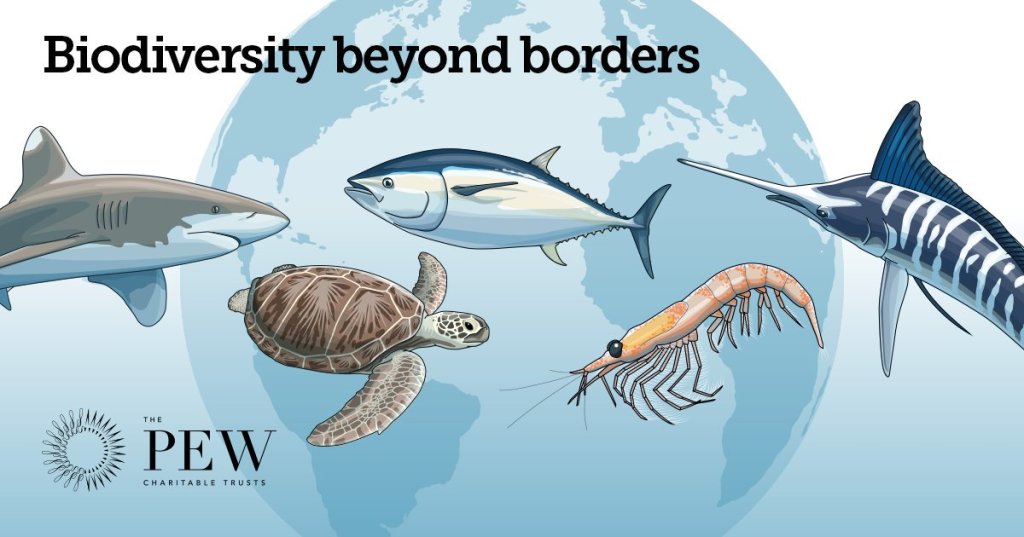
2016 Pew marine research fellowship
Five distinguished scientists and conservationists from Costa Rica, South Africa, Sri Lanka, and the United States are the 2016 recipients of the Pew fellowship in marine conservation, including Jennifer Jacquet of NYU. The fellowships support research to improve ocean conservation and management. Read more.
-
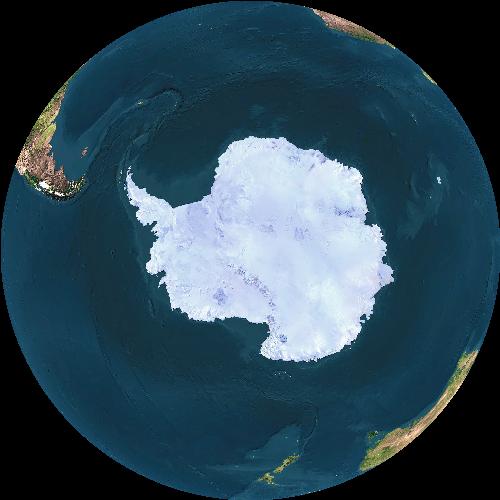
It is rational to protect Antarctica
We are dismayed that the international commission that oversees the Convention on the Conservation of Antarctic Marine Living Resources has voted against establishing marine protected areas (MPAs) around Antarctica for the fifth consecutive time. These MPAs are designed to protect wildlife hotspots of world significance. Read more here.
-
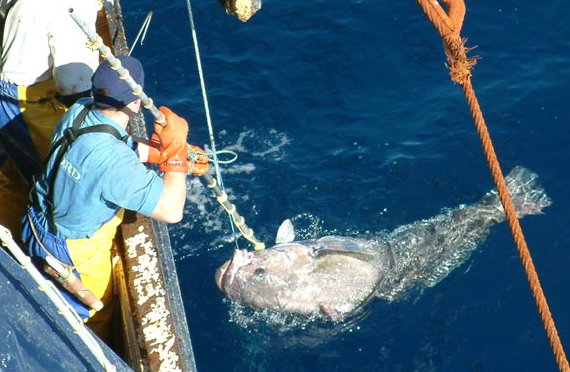
‘Rational use’ in Antarctic waters
The Convention for the Conservation of Antarctic Marine Living Resources (CAMLR Convention) is the legal doctrine presiding over the exploitation of marine life in the Southern Ocean. At recent Commission (CCAMLR) meetings, some member states have interpreted the term ‘rational use’ in the Convention text as ‘the unrestricted right to fish’ and, most recently, the…
-
On the persistent gray area between teaching and punishment
Response to Kline’s article How to learn about teaching: An evolutionary framework for the study of teaching behavior in humans and other animals in Behavioral and Brain Sciences. One of the challenges to an evolutionary framework for the study of teaching behavior will be to distinguish, if possible, between teaching… and punishment. Read more here.
-
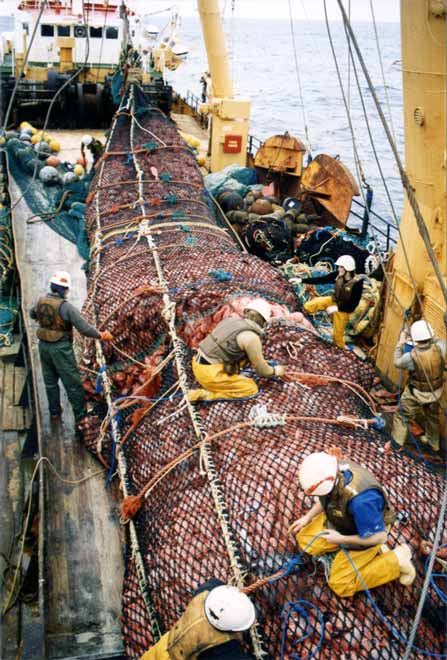
Ocean calamities: hyped litany or legitimate concern?
Our response to the article “Reconsidering Ocean Calamities” in BioScience.
-
2015 Sloan research fellowship
Two New York University faculty have been awarded fellowships from the Alfred P. Sloan Foundation: Michael Halassa, an assistant professor of psychiatry, neuroscience, and physiology at NYU Langone Neuroscience Institute, and Jennifer Jacquet, an assistant professor in the Department of Environmental Studies. Read more here.
-
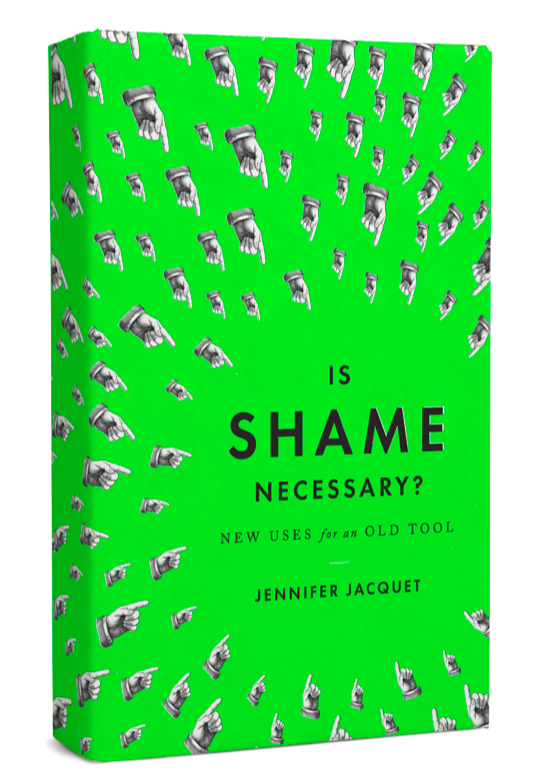
Is Shame Necessary? New Uses for an Old Tool
An urgent, illuminating exploration of the social nature of shame, and of the ways in which it might be used, sparingly and pointedly, to promote political change and social reform. In cultures that champion the individual, guilt is advertised as the cornerstone of conscience. Yet while guilt holds individuals to personal standards, it proves impotent…
-

The ideological divide and climate change opinion: “top-down” and “bottom-up” approaches
The United States wields disproportionate global influence in terms of carbon dioxide emissions and international climate policy. This makes it an especially important context in which to examine the interplay among social, psychological, and political factors in shaping attitudes and behaviors related to climate change. In this article, we review the emerging literature addressing the…
-

The role of gender in scholarly authorship
Gender disparities appear to be decreasing in academia according to a number of metrics, such as grant funding, hiring, acceptance at scholarly journals, and productivity, and it might be tempting to think that gender inequity will soon be a problem of the past. However, a large-scale analysis based on over eight million papers across the…
-

A review of formal objections to Marine Stewardship Council fisheries certifications
The Marine Stewardship Council (MSC) was created as a conservation tool – intended to provide “the best environmental choice in seafood” to consumers and to create positive incentives that would improve the status and management of fisheries. During its 15 years, the MSC, which has an annual budget of close to US$20 million, has attached…
-

Asymmetrical contributions to the tragedy of the commons
In Garrett Hardin’s popular essay on “The Tragedy of the Commons”, he presents a model of a shared commons where herdsmen graze their cattle to illustrate the tension between group and self-interest that characterizes so many social dilemmas. However, Hardin is not explicit that consumption can actually vary widely among herdsman, although later, when discussing…
-

Trends, current understanding and future research priorities for artisanal coral reef fisheries research
Artisanal coral reef fisheries provide food and employment to hundreds of millions of people in developing countries, making their sustainability a high priority. However, many of these fisheries are degraded and not yielding their maximum socioeconomic returns. We present a literature review that evaluates foci and trends in research effort on coral reef fisheries. We…
-
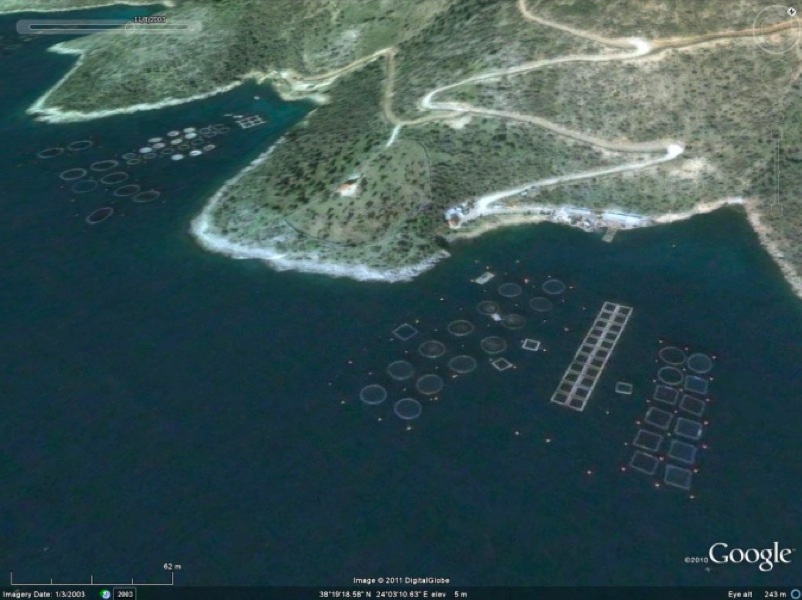
Fish farms at sea: the ground truth from Google Earth
In the face of global overfishing of wild-caught seafood, ocean fish farming has augmented the supply of fresh fish to western markets and become one of the fastest growing global industries. Accurate reporting of quantities of wild-caught fish has been problematic and we questioned whether similar discrepancies in data exist in statistics for farmed fish…
-

Shame and honor drive cooperation
Can the threat of being shamed or the prospect of being honoured lead to greater cooperation? We test this hypothesis with anonymous six-player public goods experiments, an experimental paradigm used to investigate problems related to overusing common resources. We instructed the players that the two individuals who were least generous after 10 rounds would be…
-
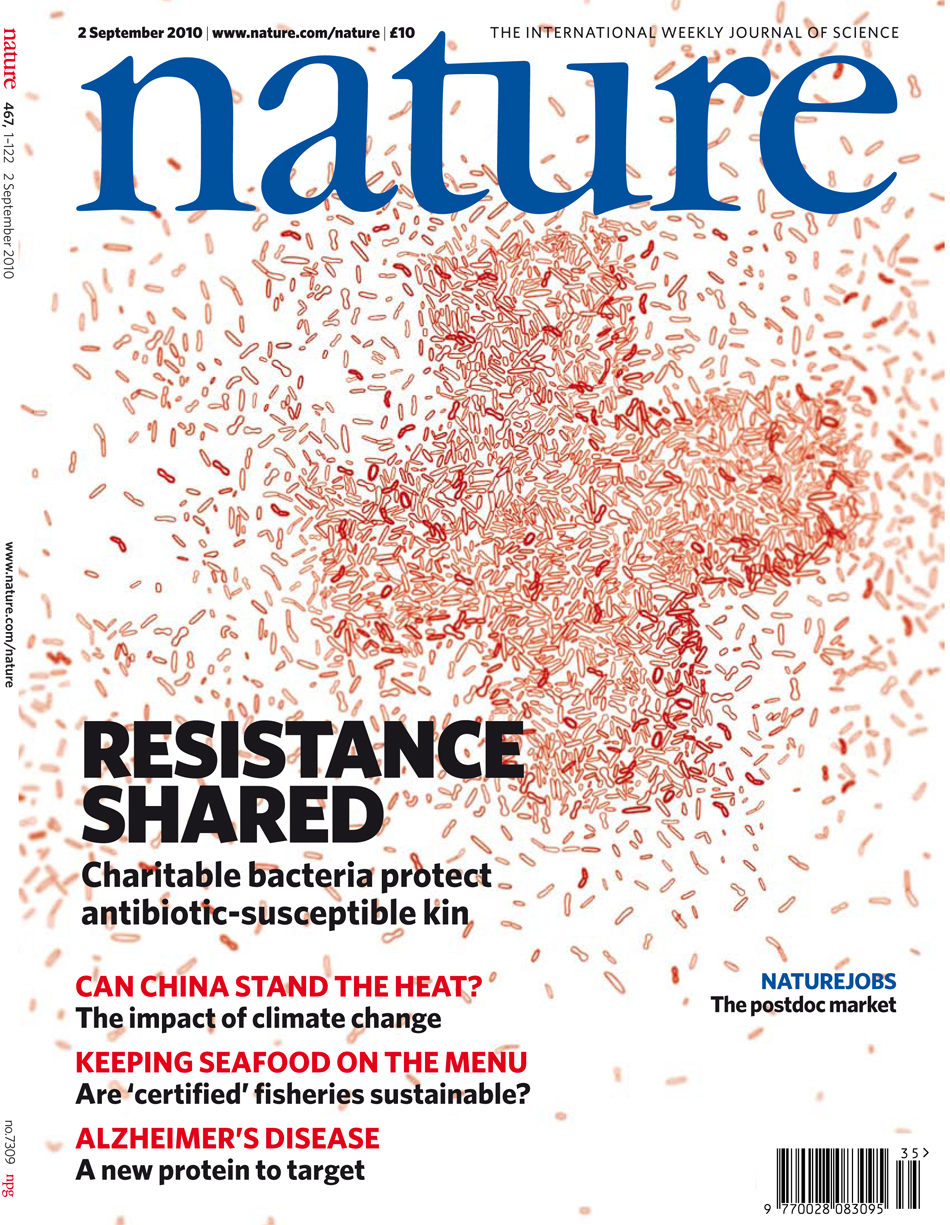
Seafood stewardship in crisis
A growing number of consumers want to eat seafood without feeling guilty. Enter the Marine Stewardship Council (MSC), which purports to certify sustainable fisheries and provides a label for sustainable products to “promote the best environmental choice in seafood”. The MSC is growing rap- idly; the organization is also rapidly failing on its promise. Jacquet,…
-

Scanning the oceans for solutions
The field of conservation science has been highly successful in identifying, diagnosing, and publicizing declines in biodiversity and many other problems affecting our environment. It has been less successful in focusing our attention on solutions. Here we recommend the formal process of what we call a solution scan: the systematic classification of known threats and…
-

Few data but many fish: marine small scale fisheries catches for Mozambique and Tanzania
The fisheries data supplied to the Food and Agriculture Organization of the United Nations (FAO) by national agencies have served as the primary tool for many global and regional studies. However, it is recognised that these data are incomplete and often underestimate actual catches, particularly for small-scale fisheries. This study reconstructed total marine fisheries catches…
-

Conserving wild fish in a sea of market-based efforts
Over the past decade conservation groups have put considerable effort into educating consumers and changing patterns of household consumption. Many groups aiming to reduce overfishing and encourage sustainable fishing practices have turned to new market-based tools, including consumer awareness campaigns and seafood certification schemes (e.g. the Marine Stewardship Council) that have been well received by…
-

Counting fish: a typology for fisheries catch data
Good decisions ideally require good data. Here, we present a straightforward typology for the broad classification of fisheries catch data. At each stage in the reporting chain, from fisher to national/international agencies, fisheries catches can be: known and reported; known and underreported; unknown and overreported; or unknown and underreported. Here, we consider largely the data…
-
What can conservationists learn from investor behavior?
How do we encourage personal savings and investment? Answers to this question, revealed through new analyses in experimental economics, provide insight into how to encourage collective savings and investment in our future through ecological conservation. There are three lessons to be learned. Jacquet, J. (2009) What can conservationists learn from investor behavior? Conservation Biology 23(3):…
-
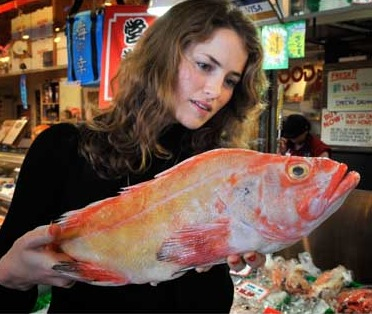
Silent water: a brief examination of the marine fisheries crisis
This paper is an attempt to synthesize and briefly examine the causes of the marine fisheries crisis, and to speculate about future initiatives. Ultimately, the human appetite is at the root of the marine fisheries crisis. But religion, technology, population pressure, science and our economic systems have provided vehicles for human appetite and thus contributed…
-

Trade secrets: renaming and mislabeling of seafood
As the global trade and market for seafood has grown, so have the twin problems of renaming and mislabeling. Resource scarcity, the potential for greater profits, and weak legislation have all encouraged incorrect labeling, the results of which include consumer losses, the subversion of eco-marketing, further degradation of fisheries resources, and even adverse effects on…
-

Funding priorities: big barriers to small-scale fisheries
Since the mid-1990s there has been a concerted effort to encourage fisheries sustainability by targeting large-scale, high-catch fisheries and by raising consumer awareness. Because of the often slow pace of regulatory approaches, this voluntary, market-oriented effort has been structured so as to avoid government involvement. But have small- scale fisheries, our best option for sustainable…
-

In hot soup: sharks captured in Ecuador’s waters
Sharks never stop growing and neither does the Asian demand for sharkfin soup. Ecuador is one nation of many that feeds the demand for fins, and fishers there catch more than 40 different shark species. But shark catches have been considerably underreported worldwide. Until the 2005 update of fisheries data, the United Nations Food and…
-

The rise of consumer awareness campaigns in an era of collapsing fisheries
The human appetite for seafood has intensified and so has overfishing and damage to marine ecosystems. Recently, the response to the fisheries crisis has included a considerable effort directed toward raising the seafood awareness of consumers in North America and Europe. The resulting campaigns aim to affect the seafood demand and to lead to a…
 Jennifer Jacquet